Let’s be direct. Your calendar should be full. If your outreach isn’t getting replies, the problem isn’t your effort—it’s your process. Getting more meetings booked is a science, not a guessing game. It requires a sharp, repeatable strategy. This is your playbook on how to book more sales meetings. We’ll break down the exact tactics, from writing LinkedIn messages that get opened to building a system for consistently booking sales meetings. No fluff, just actionable steps to turn cold outreach into real conversations and fill your pipeline.
These are some of the top challenges a lot of revenue teams face today that result in low (or no) meetings booked:
- Inefficient meeting scheduling practices
- Improperly set up sequences
- Manual task management
- Lack of multi-channel outreach
- Inconsistent follow-ups
- Forgotten to-dos
And when reps don’t have the right tools to solve these problems, they can’t do their best work.
They’re not given the chance to excel. And that’s not on them.
What can you do about that?
Give ‘em the tools they need to streamline and automate their efforts while simplifying their scheduling process.
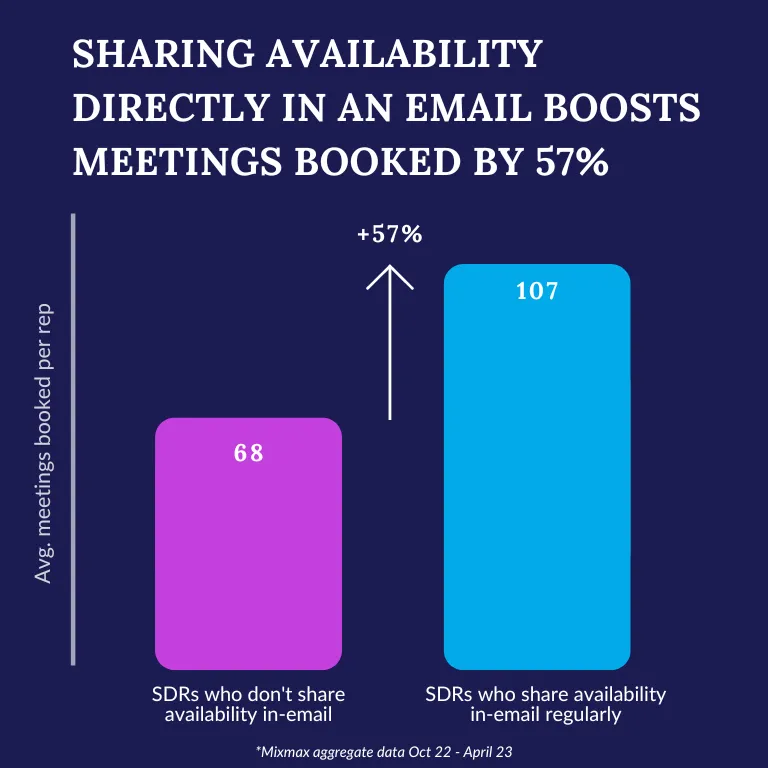
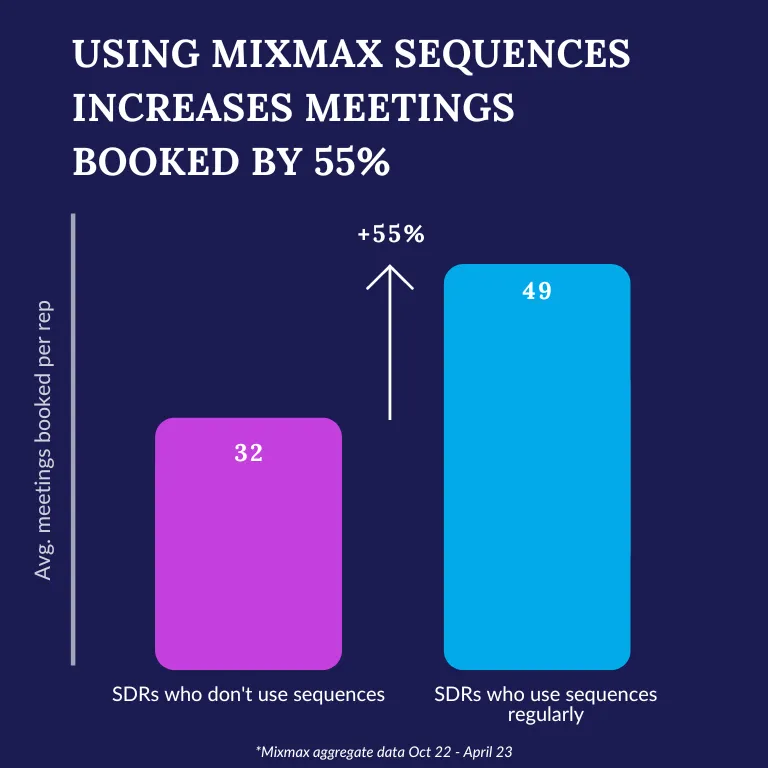
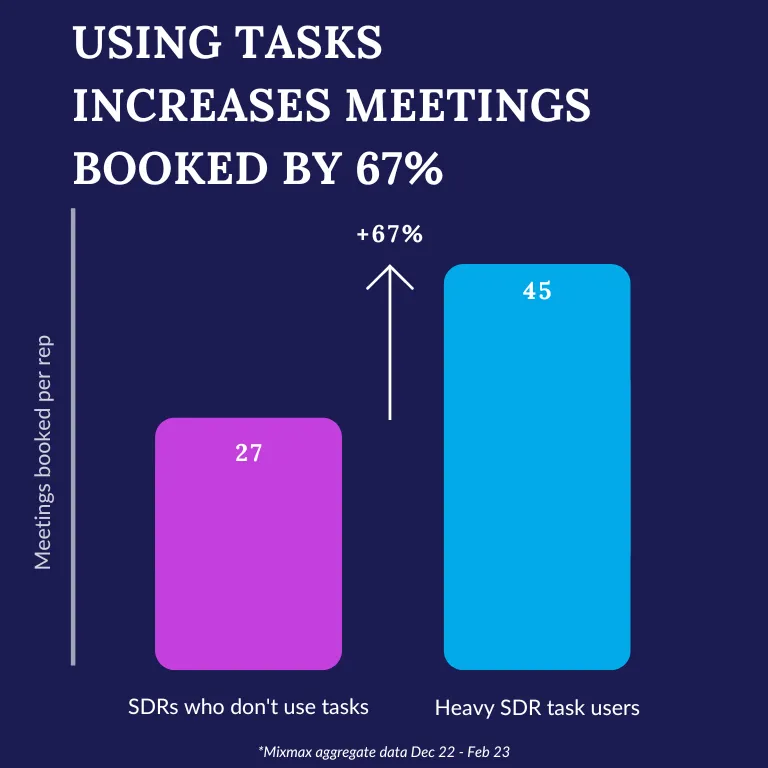
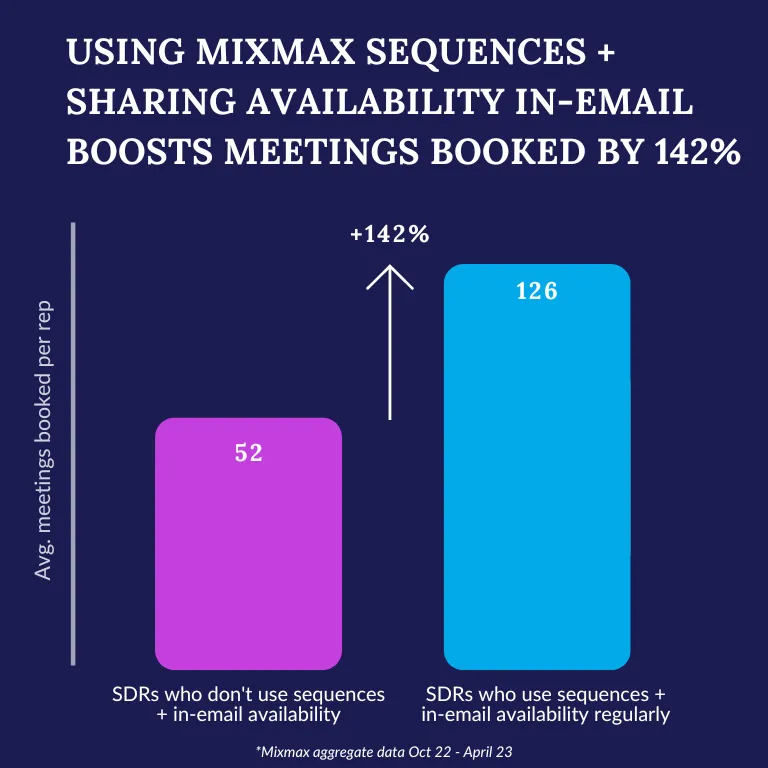
This infographic we put together using in-house Mixmax data points shows you exactly how specific tools and functionality can help increase meetings booked.
PS The breakdown of all the functionality we mention in the infographic can be found at the bottom of this post.
Here we go!
How to Book More Sales Meetings (Backed by Data)
![The Science of Booking More Sales Meetings [Infographic]](/_astro/The_Science_of_Booking_More_Sales_Meetings_Infographic_(1).C_6-uWcf_Z28ETfP.webp?dpl=dpl_4hrkZUnQqPKou2KrK9a2suRHcmX3)
Where’s the proof?
Here’s a breakdown of how we got these stats:
Strategy First: The Foundation of Booking More Meetings
The data is clear: the right tools make a massive difference. But tools are amplifiers, not magic wands. They amplify the strategy you already have. If your strategy is to send a thousand generic emails, a tool will just help you do that faster. The real key to booking more meetings is starting with a smart, targeted plan. Executives are busy; as one sales leader on Reddit put it, they “will only meet if they see a lot of value in it.” Your job isn’t just to ask for their time, but to prove it will be well spent before the meeting ever happens. This means your outreach needs to be built on a foundation of solid research and a clear point of view. The tools are there to help you execute that strategy flawlessly and at scale, not to replace the strategic thinking itself.
It’s the Strategy, Not Just the Tool
Before you write a single email or make a call, you need a plan. A great strategy, even with basic tools, will always outperform a bad strategy that uses the most expensive software. The goal is to move from a mindset of volume to one of value. Instead of asking, “How many people can I contact today?” ask, “How can I create a genuinely compelling reason for this specific person to speak with me?” This shift is everything. It forces you to be thoughtful, do your homework, and approach each prospect as an individual with unique challenges. Once you have that strategy, a sales execution platform can help you manage the process, track engagement, and ensure no opportunities fall through the cracks, saving you hours on admin so you can focus more on high-value activities.
Focus on Quality Over Quantity
One highly personalized message is worth more than a hundred generic ones. The core of a quality-first approach is developing a “Point of View” (POV) for each prospect. This isn’t just a guess; it’s a clear, personal hypothesis about how you can specifically help them, based on real research. Blasting out emails and hoping for a 2% reply rate is a draining, low-return game. Instead, focusing your energy on a smaller number of high-potential accounts allows you to craft messages that demonstrate genuine understanding and insight. This is how you earn attention and build the trust necessary to secure a meeting. It’s about making your outreach an event for the prospect, not just another email to delete.
Step 1: Do Your Homework (Research and Personalization)
Personalization is more than just using a `{FirstName}` mail merge tag. True personalization shows you’ve done the work. It’s about understanding the prospect’s company, their role, and the challenges they likely face. This is where you build the foundation for your Point of View. Before you even think about what to write, you need to gather intelligence. Look at their company’s recent news, read their quarterly financial reports if they’re public, and check out their LinkedIn activity. What are their stated goals? Have they recently hired new leadership? Are they launching a new product? Every piece of information is a potential hook for a relevant, compelling message that stands out from the noise and shows you’re a serious professional, not just another salesperson.
Develop a Personalized Point of View (POV)
Your POV is your educated guess about a prospect’s problem and how you can solve it. It’s the bridge between your research and your outreach. One successful rep recommends spending 30-60 minutes researching each target company to build this hypothesis. For example, if you see a company just announced a major international expansion, your POV might be that their current sales tools won’t scale effectively across different regions and time zones. Your outreach then isn’t a generic pitch about your product; it’s a specific, relevant message that starts with, “Saw your expansion news—congrats. As you scale globally, many teams find it difficult to coordinate outreach. I have an idea for how you can manage this without adding headcount.”
A Note on Reaching Senior Executives
When you’re trying to connect with senior leaders, the bar for personalization is even higher. Their inboxes are heavily guarded, and their time is their most valuable asset. The best way to cut through is to show you’ve engaged with their own ideas. Have they recently written an article, been quoted in the news, or posted something insightful on LinkedIn? Reference it. A simple line like, “Your recent post on the future of AI in sales really resonated with me, especially your point about X,” proves you’ve done your homework and respect their expertise. This approach changes the dynamic from a cold pitch to a peer-level conversation, making them far more likely to give you their attention.
Step 2: Execute Your Outreach with a Multi-Channel Approach
Once you have your strategy and your personalized POV, it’s time to execute. Relying on a single channel, like email, is a recipe for being ignored. A modern outreach strategy involves a thoughtful mix of channels, including email, phone calls, social media, and even SMS. This doesn’t mean bombarding prospects on every platform at once. It means creating a coordinated sequence of touchpoints that build on each other. For example, you might start with a personalized email, follow up with a LinkedIn connection request that references the email, and then make a call. Using AI-powered workflows can help you manage this process, automatically moving prospects through your sequence and ensuring you follow up at exactly the right time, without letting anything slip.
The 3-3-3 Rule for Memorable Interactions
In sales, you have to earn every second of a prospect’s attention. The “3-3-3 Rule” is a great framework for this. It states you have just three seconds to grab their attention with a relevant opening line. Whether it’s the subject of an email or the first thing you say on a call, it has to be sharp, personal, and intriguing. If you pass that test, you have 30 seconds to build a connection and establish your credibility by demonstrating your research and presenting your POV. If that goes well, you’ve earned three minutes to have a real conversation, ask insightful questions, and work toward booking a meeting. This rule forces you to be concise and value-focused at every stage of the interaction.
Crafting Messages That Get Replies
Your message is the vehicle for your strategy. Every word counts. Avoid generic sales-speak and focus on being clear, direct, and human. Your goal is to start a conversation, not to close a deal in the first email. Write like you talk. Keep your sentences short and your paragraphs shorter. Your message should be easy to scan on a mobile phone. Most importantly, always end with a clear, low-friction call to action. Instead of “Are you free for a 30-minute demo next week?” try something softer like, “Is this a problem you’re currently thinking about?” This invites a simple yes/no reply and opens the door for a real dialogue.
Email and Subject Line Best Practices
Your subject line is the gatekeeper of your email. If it looks like a marketing blast, it will be deleted without a second thought. One of the most effective tactics is to make your subject line seem like an internal message. Simple, direct subject lines like “Question about your sales process” or “Idea for [Company Name]” often perform much better than flashy, clever ones. They create curiosity without screaming “sales pitch.” Inside the email, get straight to the point. Reference your research, state your POV, and make it about them, not you. Keep it brief and focused on a single idea. The easier you make it for them to read and understand, the more likely you are to get a reply.
Using Phone and Text Effectively
Email is crowded. That’s why phone and text are such powerful channels for cutting through the noise. A phone call adds a human element that email lacks, allowing you to convey tone and personality. Texting, when used appropriately, can be a highly effective way to send a quick, personal follow-up. The key is to integrate these channels into a single, cohesive outreach strategy. For example, a multi-step sequence in Mixmax can include automated emails, reminders for you to make a call, and even SMS messages, all managed from your inbox. This ensures you’re reaching prospects in different ways without losing track of the conversation.
The Right Way to Cold Call
The cold call isn’t dead, but the old way of doing it is. Instead of launching into a pitch, the first thing you should do is show respect for the other person’s time. A simple opening like, “Hi [Name], this is [Your Name] from [Your Company]. Did I catch you at a bad time?” can make all the difference. As one sales expert at Allego notes, this simple courtesy makes people more likely to listen to what you have to say next. If they say it’s a good time, you’ve earned the right to briefly state your POV. If not, you can quickly ask for a better time to call back. This respectful approach immediately sets you apart from the majority of callers.
When to Use Texting for Follow-Ups
Texting is a surprisingly underutilized channel in sales, but it can be incredibly effective when used correctly. It’s not for your initial cold outreach. Instead, think of it as a tool for warm, quick follow-ups. For example, after a positive phone call, a simple text like, “Great chatting with you, [Name]. Just sent over that email with the info we discussed,” can be a great way to stay top-of-mind. Because it’s a more personal channel, it should be used sparingly and only after you’ve already established some rapport. It’s perfect for confirming meeting times or sending a quick, friendly nudge on a pending question.
Know When to Pause Your Outreach
Persistence is important, but there’s a fine line between being persistent and being annoying. If you’ve reached out multiple times across different channels with no response, it’s a sign that your message isn’t resonating or the timing is wrong. As a general rule, if you’ve made six to eight attempts without any engagement, it’s time to pause your outreach for that contact. Continuing to push will only burn the lead and damage your reputation. Instead, move them to a “nurture” list for a different, less intensive approach in a few months. A good sales engagement platform will track your touchpoints automatically, so you’ll know exactly when you’ve hit that limit and it’s time to give it a rest.
How These Features Help You Book More Meetings
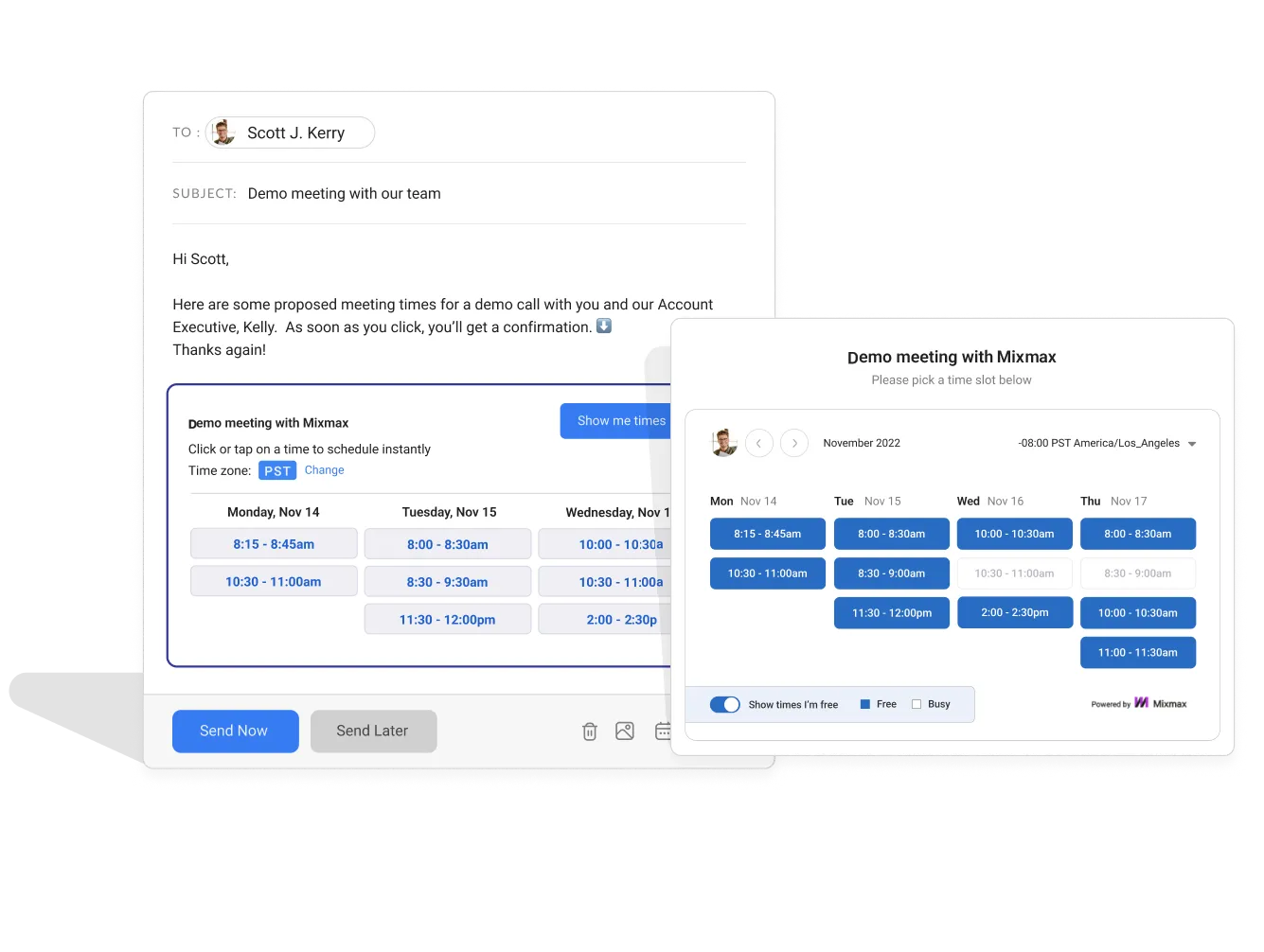
In-email availability sharing
This feature allows you to include your specific availability directly in the email. Once the recipient receives it, they can click on “Show me times I’m free” in the email message and a pop-up will show them when they’re free (cross-referenced with your own availability).
They can just select the time they prefer and that’s it—meeting booked in just two clicks, without context switching.
Automate Follow-Ups with Sequences & Tasks
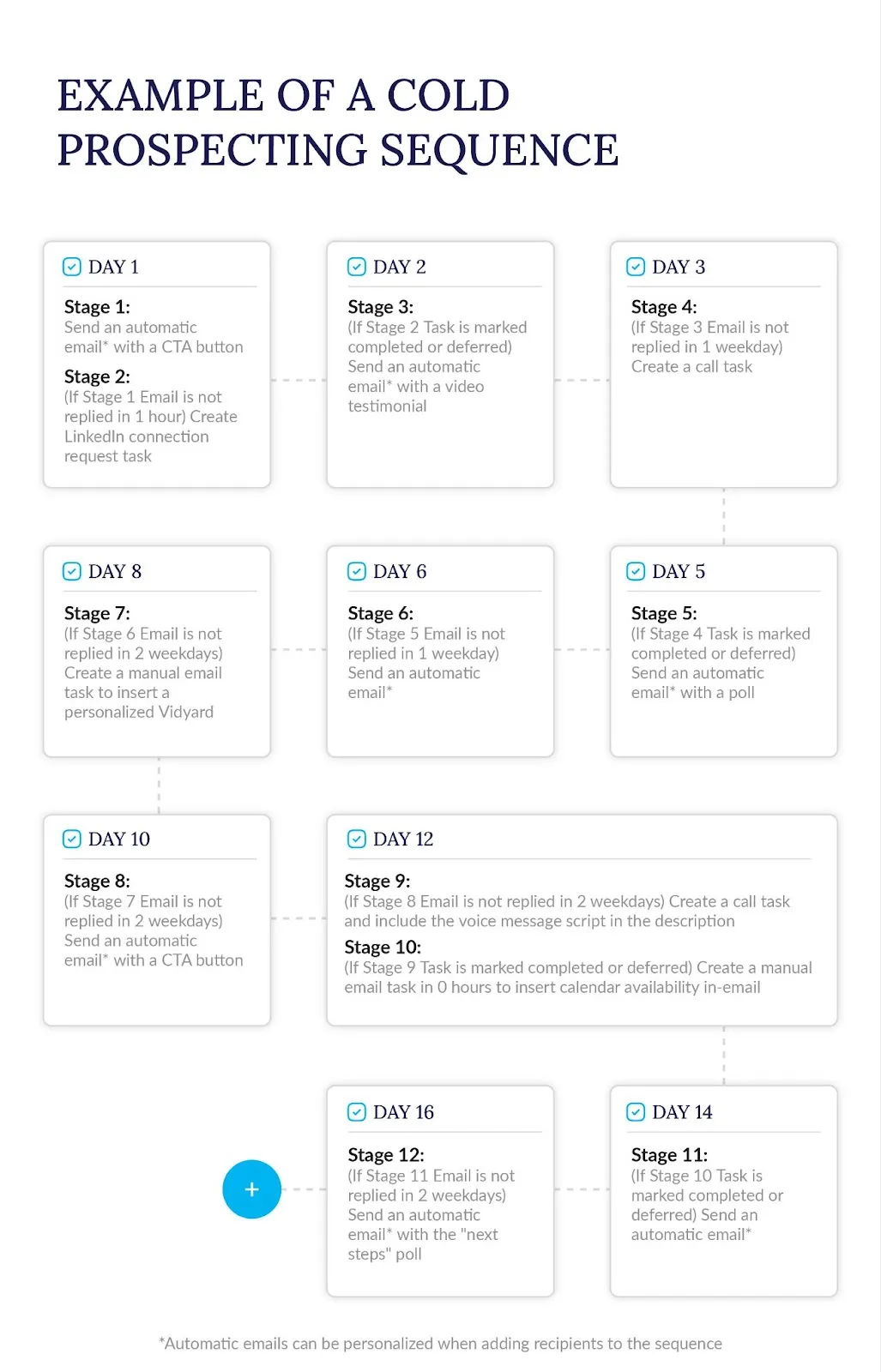
With Mixmax, you can create personalized sequences that include automatic Task reminders based on certain actions (or inactions).
Below is an example of a cold prospecting sequence that includes tasks:
Organize Your Sales Workflow with Tasks
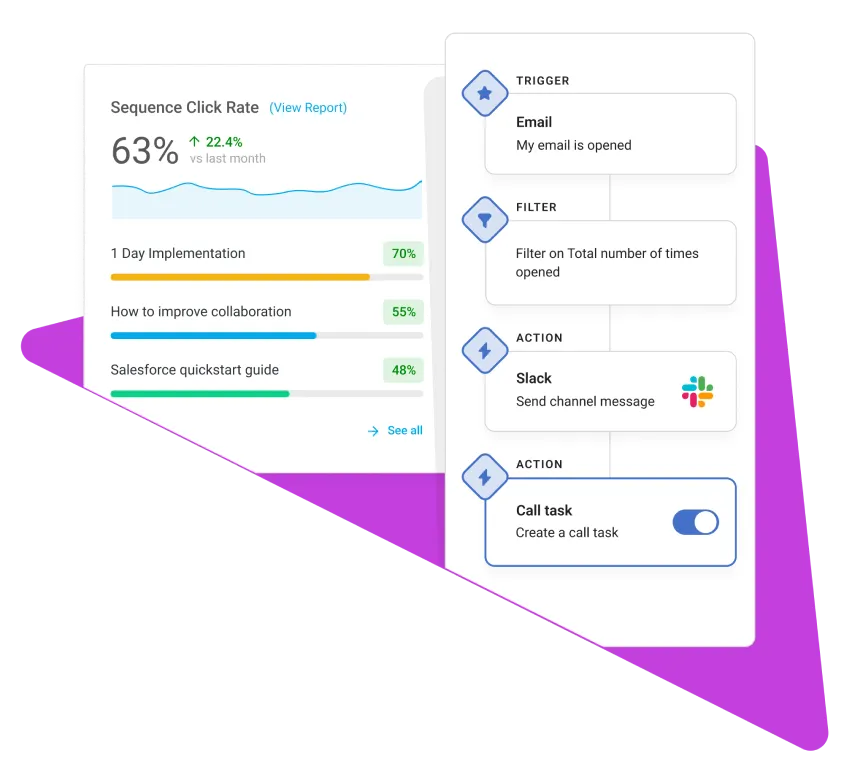
As mentioned above, you can create specific tasks in your sequences. Tasks can be anything from call tasks to LinkedIn connection tasks to manual email tasks. Below is an example of a call task in Mixmax:
You Booked the Meeting. Now What?
Getting the meeting on the calendar is a huge win, but it’s only the beginning. The real work starts now. How you prepare for, run, and follow up on that first call determines whether it’s a one-time chat or the start of a real sales cycle. This is your chance to turn that initial interest into a genuine opportunity. It’s less about delivering a perfect pitch and more about proving you’re a partner worth talking to. Let’s walk through how to make that first interaction count and what to do next to keep the momentum going.
How to Run an Effective First Meeting
Your first meeting is not a presentation; it’s a conversation. Resist the urge to open a slide deck and pitch for 20 minutes. Instead, your primary goal is to listen and understand. Come prepared to ask thoughtful questions that uncover their challenges and goals. An effective first meeting is a discovery session where you seek to understand their world so you can determine if you can actually help. When you focus on having an authentic, eye-to-eye conversation, you stop sounding like a salesperson and start acting like a strategic partner. This approach builds trust and shows the prospect you value their business, not just their signature on a contract.
Following Up and Building the Business Case
Silence doesn’t mean “no”—it often just means “not right now.” Most deals require persistent, valuable follow-up. The key word here is valuable. Sending a “just checking in” email is a waste of everyone’s time. Instead, every touchpoint should offer something useful, like a relevant article, a case study, or an insight about their industry. You can use AI-powered workflows to schedule these follow-ups, ensuring no one falls through the cracks. By consistently providing value, you stay top-of-mind and build a business case for them, proving you’re a resource, not just another vendor asking for an update.
Make it a Team Sport: Collaboration and Training
Top-performing sales reps rarely succeed in a vacuum. They are part of a team that learns, practices, and grows together. Creating a culture of collaboration is one of the fastest ways to elevate everyone’s performance. When reps share what works, practice their skills in a safe environment, and learn from each other’s wins and losses, the entire team gets better. This collaborative approach turns individual knowledge into a shared playbook for success, helping everyone from the newest hire to the seasoned veteran book more meetings and close more deals.
Learn From Your Teammates
One of the most underused resources on any sales floor is the top performers on your own team. Make it a habit to learn from them. Listen to their call recordings and take notes on how they handle objections or explain complex topics. You can use tools that provide AI meeting summaries and transcripts to quickly review key moments without having to sit through entire calls. The goal isn’t to copy their style, but to understand their process and mindset. By observing what makes them successful, you can adapt their effective strategies to your own personality and build your own path to hitting your number.
Use Internal Meetings for Practice and Role-Playing
Role-playing might feel awkward at first, but it’s one of the best ways to prepare for real-world sales scenarios. Use your internal team meetings to practice handling common objections or running through a discovery call. This isn’t about performance; it’s about practice. It gives you a safe space to try new approaches, refine your messaging, and build the muscle memory needed to stay calm and confident in front of a prospect. Getting feedback from your peers helps you spot blind spots and improve much faster than you would on your own. Think of it as a scrimmage before the championship game—it prepares you for victory.
Cultivating the Right Mindset for Success
The best tools and techniques in the world won’t work if your head isn’t in the right place. Your mindset is the foundation of your success in sales. It dictates how you approach prospects, how you handle rejection, and how you push through the tough days. It’s the invisible force that drives your daily actions and ultimately determines your results. Cultivating the right mindset isn’t a one-time fix; it’s a daily practice of building confidence, setting ambitious goals, and seeing yourself as a high-value professional. When you get your mindset right, everything else follows.
Adopt an Executive Mindset
When you’re talking to an executive, you must see yourself as their equal. If you put them on a pedestal, you can’t have a direct, peer-to-peer conversation. An executive mindset means you view yourself as a strategic partner who is there to solve a significant business problem, not as a vendor asking for a few minutes of their time. This confidence fundamentally changes the dynamic. You’re not asking for a favor; you’re bringing a valuable idea to the table. This shift in perspective allows you to lead the conversation with authority and earn the respect needed to move a deal forward.
Aim Higher Than Your Quota
If your meeting quota is 10, don’t aim for 10. Aim for 13. Setting a goal that’s slightly higher than your target creates a psychological buffer and builds momentum. It protects you from the inevitable cancellations and no-shows that can derail your month. This isn’t about working yourself to the bone; it’s about adopting a high-performance habit. When you hit your official quota, you don’t stop. You keep pushing, which ensures you not only meet your goal but consistently exceed it. This approach to goal setting turns you from a rep who just gets by into a consistent top performer.
Ready to Fill Your Calendar?
You’ve seen firsthand through our infographic how Mixmax can kick those meeting booking issues to the curb. We didn’t sugarcoat the problems your teams might be facing. Instead, we gave it to you straight - not having the right tools can be a real roadblock to your reps doing their best work.
But here’s the good news: Mixmax can be that game-changer your team needs. It’ll turn inefficient scheduling, basic sequences, and a bunch of forgotten to-dos into a thing of the past, helping reps book more meetings.
Wanna see how it works? Book a demo with one of our own reps who use Mixmax day in and day out to book meetings and drive revenue.
Frequently Asked Questions
Why aren’t my cold emails getting replies? The most common reason is that your outreach feels generic. If your message could be sent to a hundred different people, it won’t resonate with anyone. The key is to do your research first and develop a specific point of view on how you can help that individual prospect. A message that references their company’s recent news or a point they made on LinkedIn shows you’ve done your homework and makes you stand out.
Is it better to send more emails or more personalized emails? It’s better to send fewer, higher-quality emails. Sending a thousand generic messages might get you a 2% reply rate, but it’s an exhausting process with low returns. Focusing on a smaller number of high-potential accounts allows you to craft truly personalized messages that demonstrate real insight. One thoughtful email is worth more than a hundred blasts because it starts a real conversation.
What’s the best way to schedule a meeting without endless back-and-forth emails? The easiest way is to remove the friction of finding a time. Instead of asking “When are you free?” and starting a long email chain, use a tool that lets you embed your availability directly into the email. The prospect can see your open slots, compare them to their own calendar, and book a time in just a couple of clicks without ever leaving their inbox.
When should I use the phone instead of email? Use the phone to add a human element that email can’t provide. It’s especially effective as part of a multi-channel approach. For example, after sending a personalized email, a follow-up call can cut through the noise. Always start by respecting their time, asking something like, “Did I catch you at a bad time?” This simple courtesy makes people more willing to listen.
My prospect agreed to a meeting but has gone silent. What should I do? Silence doesn’t always mean “no.” It often just means your prospect is busy. The key is to follow up with value, not just to “check in.” Send them a relevant article, a case study that applies to their situation, or an insight about their industry. Using AI-powered workflows can help you schedule these touchpoints so you stay top-of-mind without being a pest, proving you’re a valuable resource.
Key Takeaways
- Strategy comes before tools: The most effective way to book more meetings is to start with a smart, personalized plan for each prospect. Tools amplify a good strategy; they do not replace the need for quality research and a clear point of view.
- Use a multi-channel approach for execution: Do not rely solely on email. A coordinated sequence of touchpoints across email, phone, and social media is more effective. AI-powered workflows can help manage this process and ensure consistent, timely follow-up.
- Focus on collaboration and mindset: Top sales performance is a team sport built on confidence. Learn from your team’s best reps, use internal meetings for practice, and adopt an executive mindset that positions you as a strategic partner.